


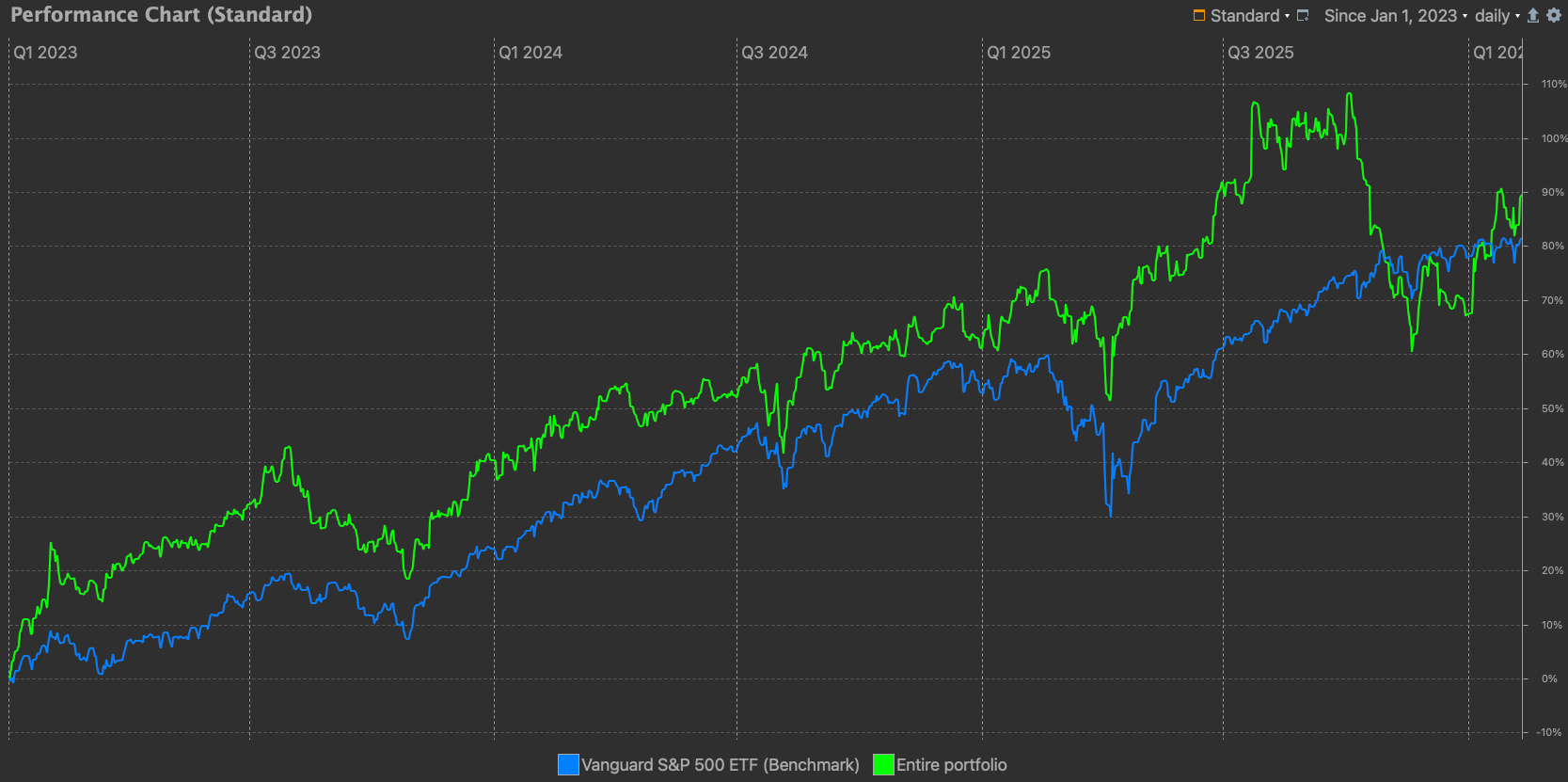

I’ve been re-reading The Art of Execution by Lee Freeman-Shor, and it’s fundamentally shifted how I’m approaching our portfolio.
The book documents a fascinating experiment. Freeman-Shor gave 45 of the world’s top fund managers between $25m and $150m each, with one rule: they could only invest in their 10 best ideas.
The results were startling.
The best stock pickers in the world were right only 49% of the time. Essentially a coin flip.
Yet many of them still made enormous returns. How?
The answer wasn’t in their stock selection. It was in their execution. What they did after they bought.
The Five Tribes
Freeman-Shor categorised investors into five behavioural “tribes” based on how they handled winning and losing positions.
When Losing:
Rabbits freeze. The stock drops 30%, 40%, 50%, and they do nothing. They hope it recovers. They forget that a stock down 50% needs to rise 100% just to break even. This is the most dangerous category.
Assassins cut quickly. No emotional attachment. Stock drops 20-30%? Kill it. Limit the damage. Redeploy capital elsewhere.
Hunters double down, but only when the business is intact and they have genuine conviction. They’re not averaging down blindly; they’re strategically adding to positions where the thesis has strengthened, not weakened.
When Winning:
Raiders sell too quickly. They bank the 10-20% gain and move on. The problem? These small wins never compensate for the inevitable losses elsewhere.
Connoisseurs let winners run. They develop deep conviction and hold for years, sometimes for 1,000%+ returns. This is where the real money is made.
The worst combination is cutting winners and running losers. Most investors do exactly this.
Applying This to Our Portfolio
I’ve made two significant changes this month, both informed by this framework.
Selling Evolution AB (EVO)
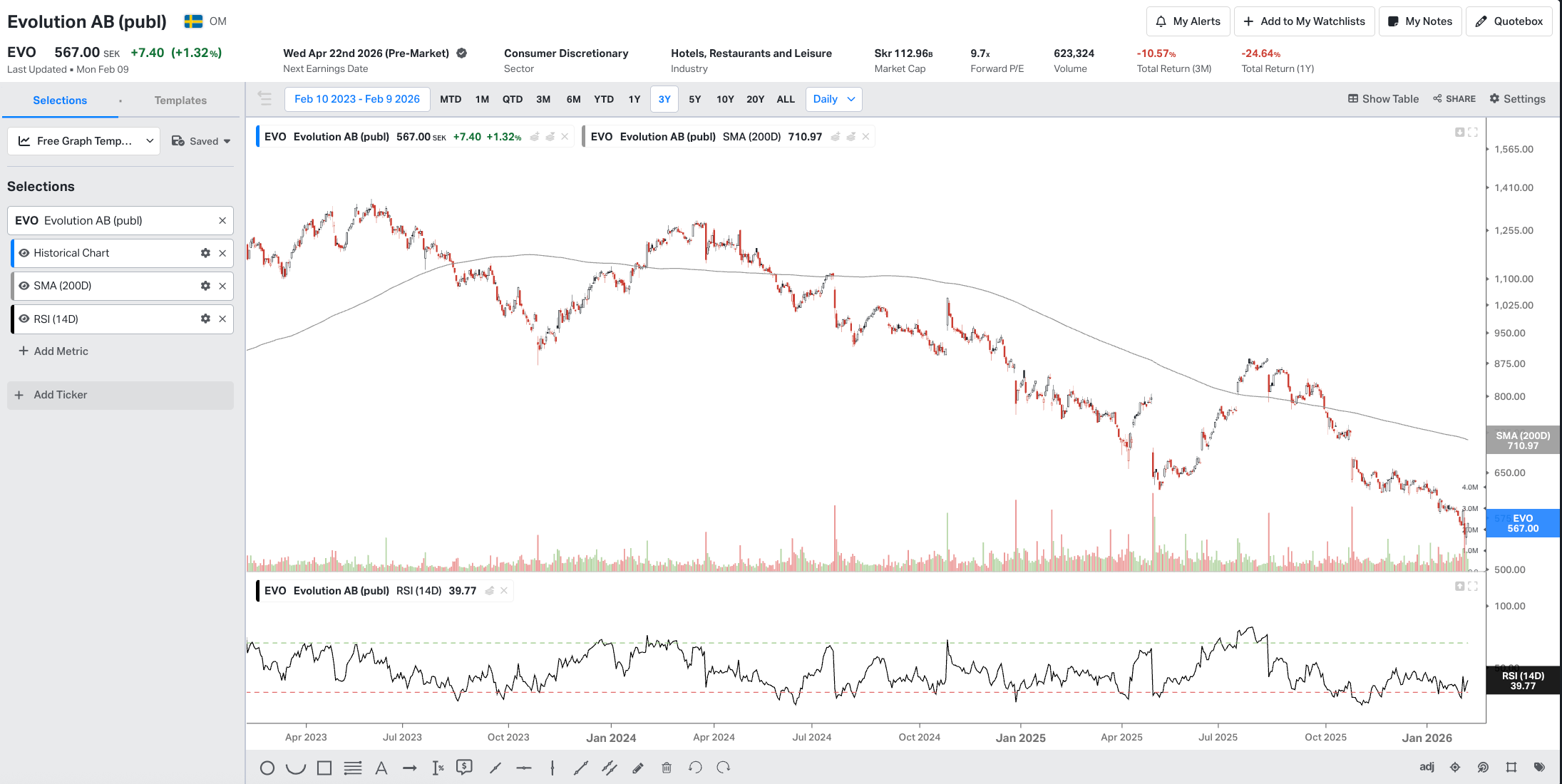
Evolution was down around 20% from my purchase price. At that level, I had a decision to make.
The Freeman-Shor framework gives you three options when losing:
Be a Rabbit - do nothing and hope it recovers
Be an Assassin - cut your losses and move on
Be a Hunter - double down if the thesis has strengthened
Doubling down wasn’t an option. At 13% of the portfolio, increasing my position would have meant even more concentration in a stock I was losing conviction in.
Yes, it’s a quality business at a cheap multiple. But there’s no growth catalyst. The business is essentially waiting for growth to restart, and we don’t know when that happens.
There could be more unexpected headwinds, just like the ones that emerged after I bought. Or we’re simply waiting for a multiple re-rate that isn’t coming until something changes drastically.
I chose to be an Assassin. Cut at 20% and move on.
Selling Greggs (GRG.L)
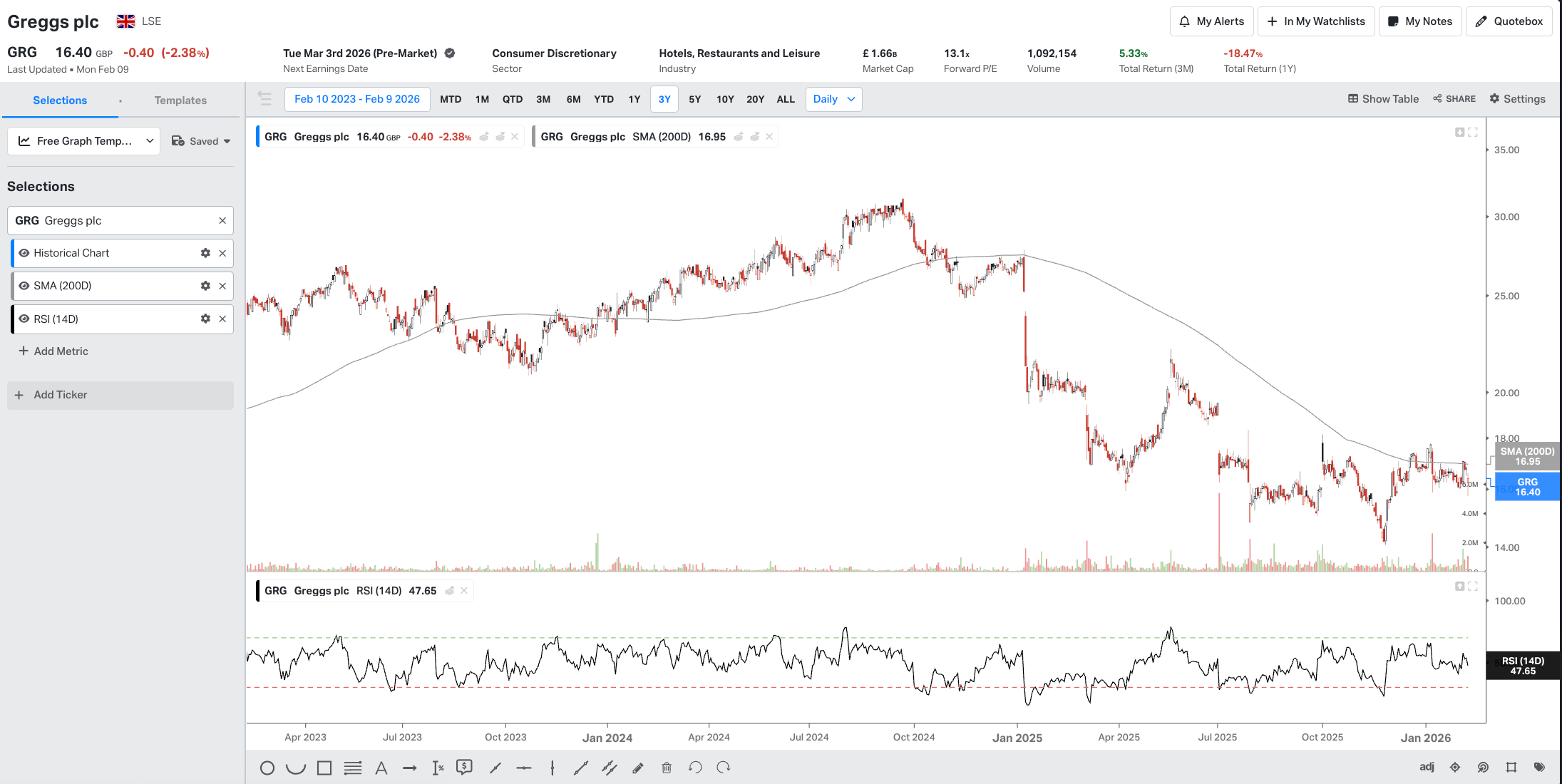
Greggs was a different situation. I wasn’t down much, essentially flat.
But after recent earnings and after writing about the company earlier this year, I realised I’d lost conviction.
The thesis made sense on paper: peak capex, FCF inflection, cheap valuation. But nothing was going right. No positive catalysts. No momentum. Just “cheap” as the entire investment case.
I was also heavily overweight UK stocks and wanted to reduce that exposure.
Opportunity cost is real. Capital sitting in a stock with nothing going for it, apart from being statistically cheap, is capital that could be deployed into businesses with genuine momentum and clearer paths to re-rating.
I found better opportunities elsewhere.
What I Did With the Capital
Selling Greggs and Evolution freed up meaningful capital.
I’ve deployed it into two new positions, both microcap ideas that I believe have significant asymmetry to the upside.
I sized each position at approximately 5-6% of the portfolio.
This sizing reflects something I learned the hard way last year: starting smaller is better.
Ian Cassel, who runs Micro Cap Club and has invested in small companies for over 20 years, put it well:
“The bigger the at-cost position, the harder it is to do the right thing. When I start smaller and let the position earn its right to a larger position size, it’s easier to sleep at night.”
A 5-6% starter position is small enough to be wrong without catastrophic damage, large enough to matter if the thesis plays out, and leaves room to add if the business executes over coming quarters.
This sizing also allowed me to rebuild a cash buffer of around 8%, something I’d been running without for too long. Cash isn’t a drag; it’s optionality.
Key Takeaways
Cheap isn’t enough. Both Greggs and Evolution were cheap. But cheap stocks with no catalyst can stay cheap for years. Opportunity cost is real.
Define your decision points. When a position is down 20%, you have to decide: Rabbit, Assassin, or Hunter. Indecision is the Rabbit’s trap.
Size new positions to allow room for error. 5-6% starters let you be wrong without catastrophe and right without regret.
Cash is optionality. Running at 0% cash felt aggressive. It was actually just limiting my ability to act.
Execution > Selection. Being right 49% of the time can still generate enormous returns, if you cut losers and let winners run.
The full portfolio and two new positions are detailed below for premium subscribers.